The Vein Blog
What is Sclerotherapy?
10 Min ReadBy The Renew Vein Center team
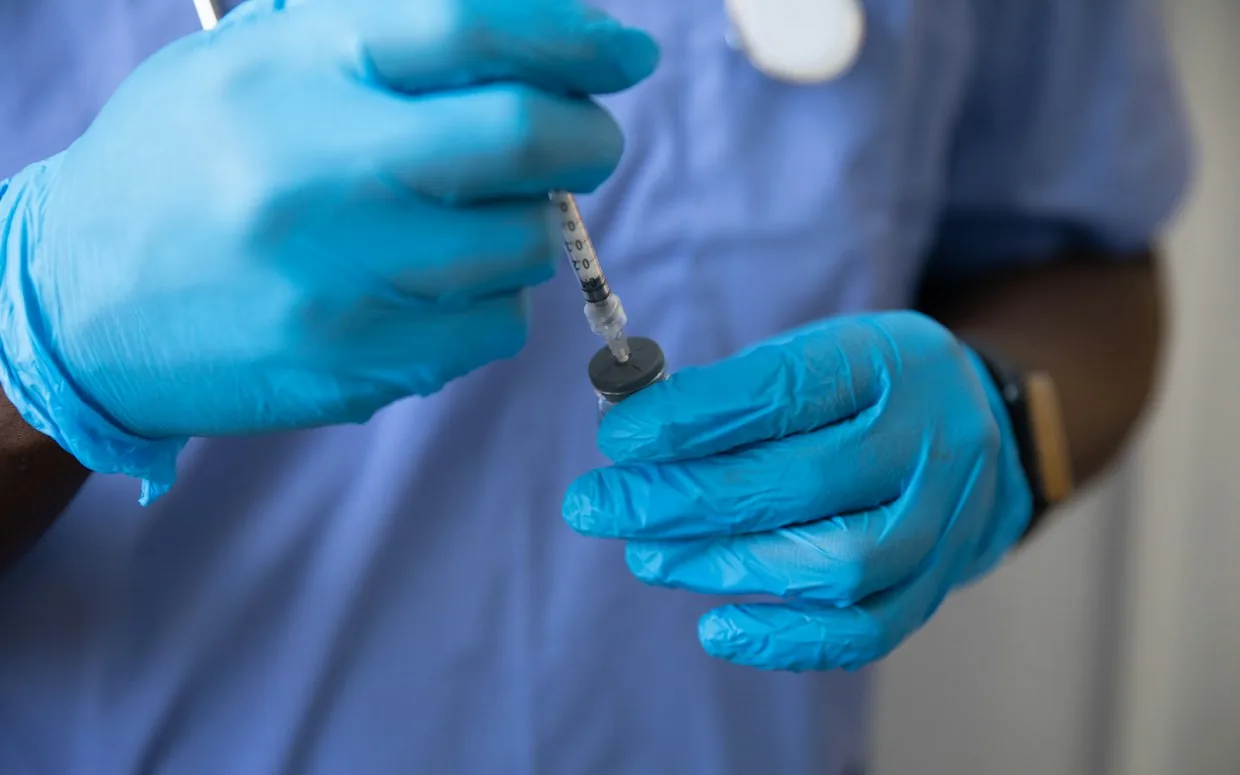
Sclerotherapy is the most common treatment for spider veins and small varicose veins, and it has been used for decades. The idea behind it is simple, but almost nobody explains it properly before you are sitting on the table.
So here is the whole thing, start to finish: what it does, what the appointment actually feels like, what the days afterwards look like, and what results you can reasonably expect.
The short version
A clinician injects a solution into the problem vein using a very fine needle. The solution irritates the lining of that vein so the walls swell, stick together and seal shut. Over the following weeks your body breaks down the sealed vein and absorbs it, and it disappears from view.
The blood that used to travel through it simply takes a different route. You have far more veins in your legs than you need, so closing a faulty one improves circulation rather than harming it. That point surprises people, and it is worth sitting with: the vein being treated is one that has stopped doing its job properly.
What it treats
- Spider veins, the fine red, blue or purple lines just under the skin
- Reticular veins, the slightly larger blue-green veins that often feed them
- Small to medium varicose veins
- Veins left behind after a larger vein has been closed by another treatment
Large, rope like varicose veins are usually treated first with something else, such as laser ablation, radiofrequency ablation or a medical adhesive. Those close the big faulty vein at the source. Sclerotherapy then tidies up what remains.
That order matters. Treating surface veins while a large vein is still leaking underneath is why some people find their spider veins return within a year.
Liquid or foam
There are two forms, and your clinician chooses based on the size of the vein.
Liquid sclerotherapy is used for the smallest vessels. The solution goes in as a liquid and works well where there is very little blood volume to displace.
Foam sclerotherapy is used for larger veins. The same medicine is mixed with a small amount of gas to make a fine foam, roughly the texture of shaving foam. Foam fills the vein more completely and pushes the blood out of the way, so more of the medicine touches the vein wall. That means better contact in a bigger vessel.
What happens at the appointment
A typical visit runs like this:
- You lie on your back with your legs slightly raised. This empties the veins a little and makes them easier to treat.
- The skin is cleaned. No anaesthetic injection is needed, because the needle used is finer than the one that would deliver it.
- The clinician injects each target vein in turn. Larger or deeper veins may be found with ultrasound guidance so the needle goes exactly where it should.
- After each injection, the area is pressed and massaged to move the solution along the vein and keep blood out of it.
- Compression stockings or bandages go on before you stand up.
- You walk for ten to fifteen minutes before leaving, which helps clear any solution that has moved beyond the treated vein.
The whole thing usually takes well under an hour. Many appointments are closer to thirty minutes. It is done in the office, not an operating theatre, and you drive yourself home.
Does it hurt?
Most people describe small stings rather than pain. The needle is very fine. Some solutions cause a brief burning or cramping feeling as they go in, lasting a minute or two at most.
It is uncomfortable rather than painful, and it is over quickly. If you are someone who finds needles difficult, say so at the start. Treating fewer veins per session is a perfectly reasonable adjustment.
Compression stockings afterwards
This is the part people skip, and it is the part that most affects your result.
After treatment you wear compression stockings for roughly two weeks. They hold the treated vein walls together while they seal, and they reduce the chance of blood collecting inside the vein before it closes properly.
Follow the instructions you are given rather than a general rule, because the length of time varies with the size of the vein treated. If the stockings are uncomfortable, ask about a different strength or style rather than quietly stopping. Giving up on them in week one is a common reason for a disappointing result.
Recovery and what you can do
Same day:
- Walk straight away and keep walking regularly. Movement is encouraged, not restricted.
- Go back to work, drive, and carry on with normal daily life.
For about two weeks, avoid strenuous exercise, heavy lifting, hot baths, saunas and sunbeds. Heat widens veins, which works against what the treatment is trying to do.
Keep the treated area out of the sun, and use sunscreen on it. Sun on freshly treated skin raises the risk of brown marks that take much longer to fade.
Air travel soon after treatment is worth discussing with your clinician before you book, particularly for long flights.
How many sessions will I need?
Most people need more than one. Two to four sessions is a common range for spider veins, though it depends entirely on how many veins you have and how large they are.
Sessions are usually spaced around six weeks apart. That gap is not arbitrary. It gives each treated vein time to close and start fading, so your clinician can see what has actually worked before deciding what to treat next. Treating too soon means guessing.
When will I see results?
Patience is required, and this is where expectations most often go wrong.
Spider veins and small varicose veins generally fade over three to six weeks. Larger veins take longer, commonly three to four months.
In the first week or two the treated veins can actually look worse: darker, slightly raised, sometimes bruised. That is normal. It is the vein sealing and your body beginning to clear it. It is not a sign the treatment failed.
Side effects
Common, and usually settling within days to a few weeks:
- Bruising around the injection sites
- Mild swelling, warmth or tenderness
- Raised red areas that look like hives and fade within a day
- Brown lines or spots along the treated vein, which usually fade over months
- Small clusters of fine new red vessels near a treated area, often temporary
Brown staining is the side effect most people care about. It happens when iron from broken down blood settles in the skin. It is more likely in larger veins and in people who tan easily, and it is one more reason to keep the area out of the sun.
Rare risks
Serious complications are uncommon, but you should know what they are before consenting to any procedure.
- Deep vein thrombosis, a clot in a deep vein, which can in rare cases travel to the lungs
- An allergic reaction to the solution
- A small skin ulcer at an injection site, if solution leaks outside the vein
- Trapped blood in a treated vein that needs to be released with a needle at a follow up visit
- With foam, brief visual disturbance, headache or faintness caused by gas bubbles, usually passing within minutes
Contact your clinic straight away if you develop increasing pain, significant swelling in one leg, or shortness of breath after treatment.
Who is not a good candidate
- Anyone who is pregnant. Treatment is normally postponed, partly because many pregnancy related veins improve on their own afterwards.
- Anyone who is breastfeeding, depending on the solution used, so discuss it first.
- People with a history of blood clots, who need individual assessment rather than a blanket answer.
- Anyone with an infection in the skin over the area to be treated.
- People with significant artery disease in the legs, because compression afterwards may not be safe.
Tell your clinician about every medicine you take, including hormonal birth control and hormone therapy, since those affect clotting risk.
Sclerotherapy or laser?
Both are used for small veins, and they are better at different things.
For spider veins on the legs, sclerotherapy is generally the first choice. Leg vessels tend to be a little deeper and connect back to feeder veins, and an injection reaches them more reliably than light from the surface.
For spider veins on the face, laser is usually preferred. The vessels are finer and closer to the surface, and injecting them is impractical.
Sometimes the two are combined: sclerotherapy for the feeding vessels, then laser for the finest remaining threads.
Will insurance cover it?
It depends on why it is being done, and nobody can promise you an answer in advance.
Treatment carried out purely to improve appearance is generally considered cosmetic and not covered. Treatment for veins that are causing documented symptoms, such as pain, swelling, skin changes or bleeding, is often covered, though insurers usually want evidence first. That typically means ultrasound findings and a record that you tried conservative measures such as compression stockings for a period of time.
We accept all major insurance providers, and the practical step is to have the consultation and ultrasound done so there is something concrete to submit. That is the only way to get a real answer rather than a guess.
Questions worth asking at your consultation
- Have my deeper veins been checked with ultrasound, and what did it show?
- Is sclerotherapy the right first step for me, or does a larger vein need treating first?
- Which solution will you use, and liquid or foam?
- How many sessions do you expect, and how far apart?
- How long will I need to wear compression stockings?
- What is the realistic result for veins like mine?
- What would make this a covered medical treatment rather than a cosmetic one?
Key takeaways
- Sclerotherapy closes a faulty vein with an injection, and your body absorbs it over the following weeks.
- Blood reroutes through healthier veins, so circulation improves rather than suffers.
- An appointment takes under an hour, you walk out, and you return to normal life the same day.
- Compression stockings for about two weeks matter more to the result than most people realise.
- Expect two to four sessions about six weeks apart, with small veins fading in three to six weeks and larger ones taking three to four months.
- If a large vein underneath is leaking, treat that first, or the surface veins are likely to return.
Sources
This article is general information about vein health. It is not medical advice and it cannot replace an examination. Please speak to a qualified clinician about your own symptoms before making any decision about treatment.
Wondering what is going on with your legs?
A consultation at 515 Madison Avenue, New York, NY 10022 starts with an ultrasound scan, because the surface only tells half the story. Mon to Fri, 9:00 AM to 5:00 PM.